Know your body
Clear, culturally responsive education that helps women recognize, track and understand what their bodies are communicating.
Heavy bleedingAnemiaFibroidsEndometriosisCancerAnxietyHormonesPerimenopauseMenopause
Founded in Wilmington, North Carolina
We are building a new home for truth-forward health education, stronger self-advocacy, community-powered research and women’s leadership in health innovation.
For Black women in Wilmington, across the Southeast and online.
Too many Black women are navigating life-altering symptoms with fragmented information, rushed appointments and no clear roadmap. This institute exists to close that gap—with evidence, lived experience, practical tools and collective power.
What we’re building
Our launch programs connect health education to action—personally, professionally and across generations.
Clear, culturally responsive education that helps women recognize, track and understand what their bodies are communicating.
Tools that help women document symptoms, prepare stronger questions and advocate for themselves during healthcare visits.
Community listening, research literacy and pathways into the science, technology and leadership shaping women’s health.
First signature program
An 8-week education and advocacy experience designed for 20–25 women ready to understand their patterns, strengthen their voice and help define what better support should look like.
Get pilot updatesOur focus areas
Patient-controlled follow-up
Record appointments, specialties, symptoms, treatment or regimen changes, lab results, portal problems and promised next steps in one private timeline. Compare each result with the last one and flag unanswered questions for follow-up.
A tracking and visit-preparation tool—not medical interpretation or emergency monitoring.
Open my private trackerDate, provider, specialty, reason, symptoms and what was recommended.
Save exact values such as hemoglobin and ferritin with the date and laboratory.
Compare changes without confusing a single improved number with complete recovery.
Track portal access, callbacks, referrals, repeat testing and overdue next steps.
Find the right door
Choose your concern to see which type of doctor or specialist usually handles it—and what to ask before you spend money or schedule.
Choose one concern to see the type of doctor or specialist to look for.
Type it below. You can enter a diagnosed condition, symptoms or the body area causing concern.
1. “Does this clinician routinely evaluate my exact concern?”
2. “What is the self-pay price for the visit and likely tests?”
3. “Who reviews results, and when should I expect contact?”
4. “What happens if I cannot access the patient portal?”
Practical institute resource
Use the Appointment Power Pack directly on this website to organize your concern, symptoms, questions, notes and follow-up.
Institute tool
Complex and lifelong care
These areas require licensed specialists and often multidisciplinary teams. The Institute’s role is education, organization, appointment preparation and helping women understand the care pathway.
Navigation must begin with the cancer type and location because oncology care may involve surgery, medication, radiation or a combination.
Read National Cancer Institute guidance ↗Track relapses, recovery, symptoms, imaging, medications, rehabilitation and access to a neurologist or MS specialist.
Read NINDS guidance ↗Separate immediate injury evaluation from long-term cognitive, physical, emotional and occupational rehabilitation needs.
Read NINDS guidance ↗Support documentation of memory, thinking, behavior, daily-function changes and the path to a qualified diagnostic team.
Read National Institute on Aging guidance ↗Treat beta-zero thalassemia and sickle beta-zero thalassemia as distinct inherited blood-disorder diagnoses that require exact records and hematology expertise.
Read CDC guidance ↗Important distinction: “Beta-zero thalassemia” may refer to beta-thalassemia caused by a β⁰ variant, while HbS/β⁰-thalassemia is a form of sickle cell disease. The exact diagnosis and genotype should be recorded rather than combining them.
Build with us
We are seeking holistic practitioners, naturopaths, functional medicine providers, holistic nurse practitioners, women’s health specialists, clinicians, researchers, educators, community organizations, funders, and women in STEM. Bring your knowledge, experience, and vision to a growing institute committed to improving women’s health.
Request partnership or sponsorship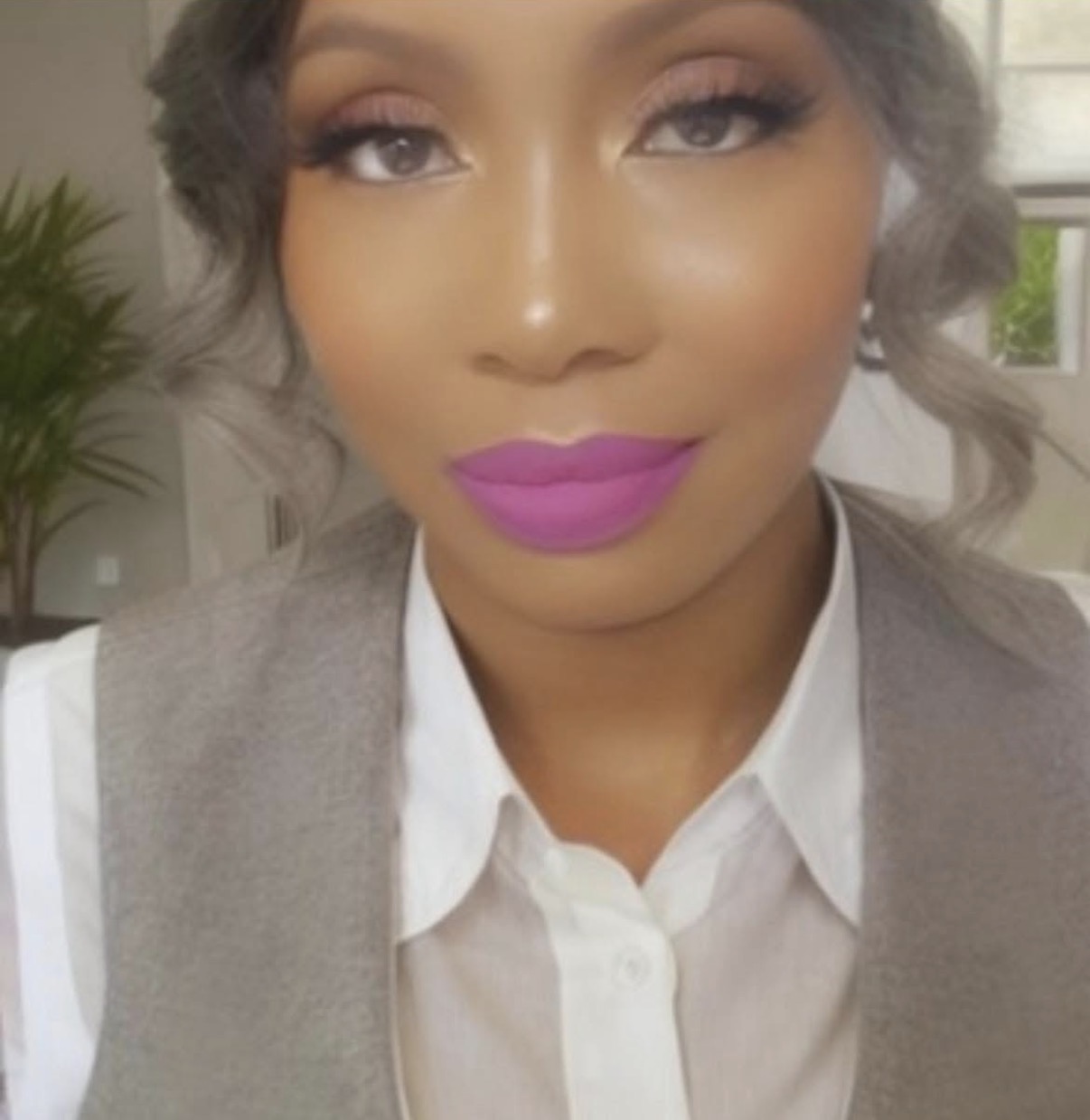
Meet the founder
Founder & Women’s Health Education Advocate
I founded the Women’s Health Innovation Institute to help Black women navigate healthcare with clearer information, practical self-advocacy tools and greater confidence. This mission continues a family legacy of care begun by my mother, a nursing school graduate, and is shaped by losing my grandmother and most of my aunts to cancer.
Through truth-forward education, community insight and accessible tools, the Institute prepares women across generations—from their first menstrual cycles through perimenopause, menopause and postmenopause—to understand their bodies, ask stronger questions and make informed decisions. Women deserve more than one-size-fits-all guidance; they deserve knowledge, options and a voice in their care.
“When women share knowledge across generations, preparation replaces fear—and no woman has to navigate her health alone.”
Newsletter + founding community
Enter your email to receive Institute news, program updates, community listening sessions, the Appointment Power Pack launch and opportunities to learn, lead, partner or sponsor.
Education and advocacy—not diagnosis, prescribing or medical treatment.
Your voice is data
Take our confidential 5–7 minute Community Needs Survey. Your answers will shape programs, partnerships and future research priorities.
Take the community survey